I hear it every single day at the office: "I’ve got a bee problem, can you just come spray it?" Look, I’ve been scheduling pest control in Connecticut for years, and the first thing I’m going to ask you—before we talk about pricing, before we look at the calendar—is this: Where exactly are you seeing traffic?
People love to call every flying, stinging thing a "bee." Trust me, they aren’t. Here's a story that illustrates this perfectly: wished they had known this beforehand.. If I had a dollar for every time someone told me they had a honeybee hive in their wall when it was actually a massive colony of aggressive yellowjackets, I’d be retired on a beach somewhere. If you have multiple stinging insects on your property, you need a property wide inspection, not a quick squirt of store-bought aerosol.
Why "Just Spraying It" Is Usually a Bad Idea
I cannot stress this enough: please, stop buying those cans of spray at the hardware store and dumping them into a hole in your siding. When you do that, you aren’t killing the queen. You’re just angering the workers and blocking their primary entrance. Do you know what happens next? They find a new exit, often https://discountcleaners.net/is-it-normal-for-ground-nests-to-appear-out-of-nowhere/ through an interior light fixture or a gap in your baseboards. Suddenly, your "exterior problem" is a "my living room is full of wasps" nightmare.
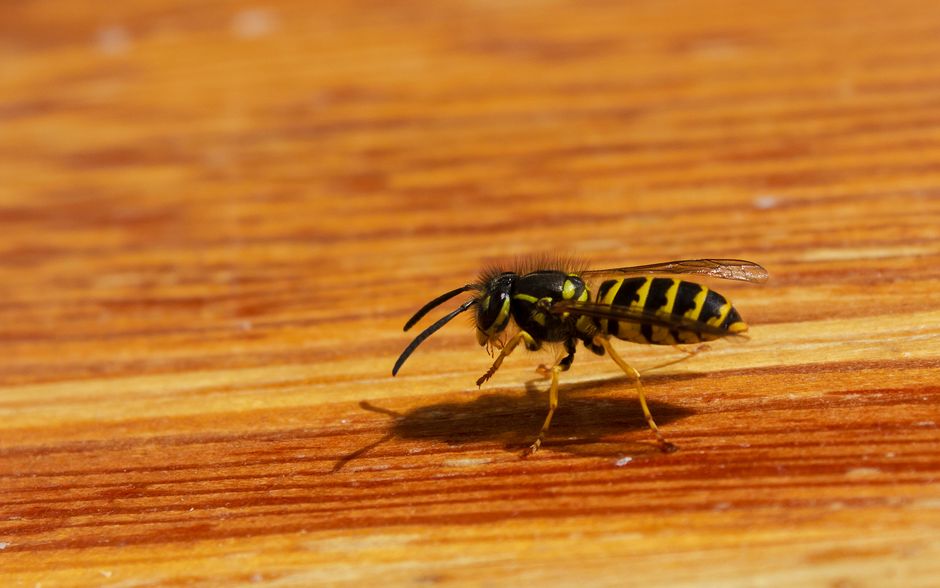

Professional stinging insect management is about strategy. Companies like Bee Smart Pest Control or the team over at Mega Bee Pest Control (Mega Bee Rescues) don’t just walk up and spray. They identify the species, locate the nest, and choose the right chemical approach.
Common Nesting Spots: The Field Manager’s Checklist
Before you call, walk your property. I keep a mental checklist of the "usual suspects" in Connecticut. If you have multiple nests, they are likely hiding in these specific areas:
- Wall Voids: The classic "waking up to buzzing in the wall" call. Yellowjackets love the insulation between your studs. Deck Sub-structures: Look underneath the floorboards where the joists meet the house frame. Shutters and Eaves: Paper wasps love the tight, protected corners of your window shutters and the soffits under your roofline. Ground Nests: These are the most dangerous. They’re often in old rodent burrows or under landscaping timbers.
The Seasonality Spike: Why Things Get Worse in August
I'll be honest with you: if you’re reading this in july or august, you’re in the "spiky" season. This is when colony populations are at their absolute peak. In the spring, you might have twenty wasps. By late summer, that same nest could house thousands. They’re hungry, they’re irritable, and they’ve stopped foraging for protein to feed larvae—they’re now looking for sugar, which means they are aggressively patrolling your BBQ and your soda cans.
When you have multiple hive treatment needs, a professional will prioritize the nests based on proximity to high-traffic areas (like your front door or patio) versus those in the back corner of the yard.
Treatment Methodology: What Pros Actually Do
You want to know how we actually get rid of them? It’s not magic; it’s chemistry and physics. A good technician uses a combination of tools to ensure the job is done right the first time.
The Two-Step Approach
Fast-acting materials: These are used for immediate "knockdown" when a nest is exposed or directly accessible. They stop the activity right away so the tech can safely finish the job. Residual treatments: This is the secret sauce. A professional-grade residual dust or liquid is applied to the entry point. When the insects go in and out, they track that material deep into the heart of the nest, reaching the queen. Insect Type Common Nesting Habit Aggression Level Yellowjacket Wall voids, ground burrows, hollow trees Extremely High Paper Wasp Eaves, shutters, light fixtures Moderate (Defensive) European Hornet Large voids, tree hollows, attics High (Attracted to light) Honeybee Large wall voids, chimneys Low (Unless threatened)FAQs: Handling Multiple Nests
1. Can you treat all the nests at once?
Usually, yes. If our technician finds multiple nests during the property wide inspection, they can often treat them in a single visit, provided they have the right safety gear and materials on the truck.
2. Is it expensive to handle multiple nests?
Pricing is based https://tessatopmaid.com/what-is-the-best-next-step-if-you-see-yellow-jacket-traffic/ on access, height, and the amount of material required. Treating a ground nest is very different from setting up a ladder to reach a third-story roofline. We always confirm the count before we start.
3. What if I have honeybees?
If you actually have honeybees (and not just "bees" in the general sense), you need a rescue. I always recommend calling Mega Bee Pest Control (Mega Bee Rescues). They specialize in live relocation, which is vital because we want to keep pollinators around, just not inside your insulation!
Final Advice for Homeowners
If you see stinging insects, don't play hero. Don't go out there with a fogger. Keep the kids and pets inside, note where the flight paths are, and give us a call. When you call, have your address ready, let me know if you’ve tried any DIY methods (it matters for safety!), and be prepared to tell me exactly where you saw the activity.
Managing multiple nests is a standard day at the office for us. With the right inspection and the right combination of fast-acting and residual products, we can get your yard back to being a place where you can actually enjoy the summer, rather than a place where you're constantly looking over your shoulder.