If you have spent as much time in terminal corridors and jump-seats as I have, you know that the "zen" of travel is a myth—it is mostly just a series of controlled stressors. Between the dry, recycled air and the indignity of having your life condensed into a quart-sized bag, my nervous system takes a beating. For years, I relied on over-the-counter sleep aids until I realized that those "megadose" melatonin supplements (the ones that claim 10mg is a baseline) were leaving me with a "hangover" that lasted through my mid-morning turnarounds.
I switched to CBD years ago, but after a particularly grueling customs encounter, I realized that carrying a mysterious bottle of oil is a recipe for a bad day. If you are wondering whether you need third-party lab results—specifically a Certificate of Analysis (COA)—for your CBD tincture, the short answer is yes. In my decade of traversing time zones, I have learned that if you cannot prove what is in your bottle, you should not be carrying it.
Why the Certificate of Analysis (COA) is Your Best Travel Insurance
A certificate of analysis CBD document is the industry standard for verification. It isn't just paper; it is proof of potency and, more importantly, proof of what is not in your product. When you are standing in front of a TSA officer or, worse, an international border agent, you don’t want to be explaining the nuances of hemp extraction. You want a document that clearly lists the THC levels documentation so you can prove your product is compliant.
I personally use Joy Organics for my travel kit. Why? Because they are transparent with their batch testing. Before I ever take a product on a long-haul flight across the Atlantic, I test it on a short, 90-minute regional hop. If it helps me regulate my nervous system without making me feel groggy, it makes the cut for the "permanent pouch."
What to Look for in a COA
- Cannabinoid Profile: Does the THC content match the 0.3% legal limit? Residual Solvents: You don’t want chemicals in your tincture. Heavy Metals/Pesticides: This is why buying gas-station CBD is a non-starter. Microbial Testing: Mold or bacteria are not travel souvenirs you want.
The Science: What the Research Actually Says
I see a lot of "travel wellness" influencers quoting TikTok studies, but I prefer to look at the data. I spent a long time as an ops coordinator ensuring our fleet adhered to strict safety manuals; I apply that same logic to my supplement stack. If you dig into the NIH / NCBI (PubMed Central) archives, you will find a wealth of peer-reviewed data on the interactions between cannabinoids and the human nervous system. Similarly, The Permanente Journal has published work regarding the safety and clinical efficacy of CBD for anxiety and sleep regulation, which is far more grounded than the "magic bullet" claims you hear in airport lounges.
The consensus is clear: CBD may assist with nervous system regulation, but it is not a sedative. It helps modulate the stress response, which is why it is effective for those of us who get twitchy when the pilot announces a "slight mechanical delay" on the tarmac.
Managing the "Desert Cabin" Environment
One of my biggest pet peeves is the vague, useless advice influencers give about "staying hydrated." Drinking eight ounces of water because someone told you to does nothing if you aren't replacing electrolytes. Cabin humidity in a pressurized aircraft is often below 20%—that is lower than the Sahara Desert. Your mucous membranes are drying out, your skin is losing moisture, and your electrolytes are crashing.
When I use my CBD oil tincture dropper (sublingual use), I always pair it with an electrolyte powder that contains magnesium. Magnesium helps with muscle tension during long flights, while the CBD works on that baseline "travel anxiety." If you aren't managing your electrolyte balance, the CBD isn't going to fix the headache caused by altitude-induced dehydration.
The Melatonin Myth vs. Reality
If you are popping 10mg of melatonin to "knock out" for a red-eye, please stop. Most of the melatonin sold in airports is poorly regulated and dosed in amounts that confuse your body’s natural circadian rhythm. When you arrive at your destination and your body is still trying to figure out if it’s midnight or noon, you are looking at jet lag that lasts for days.
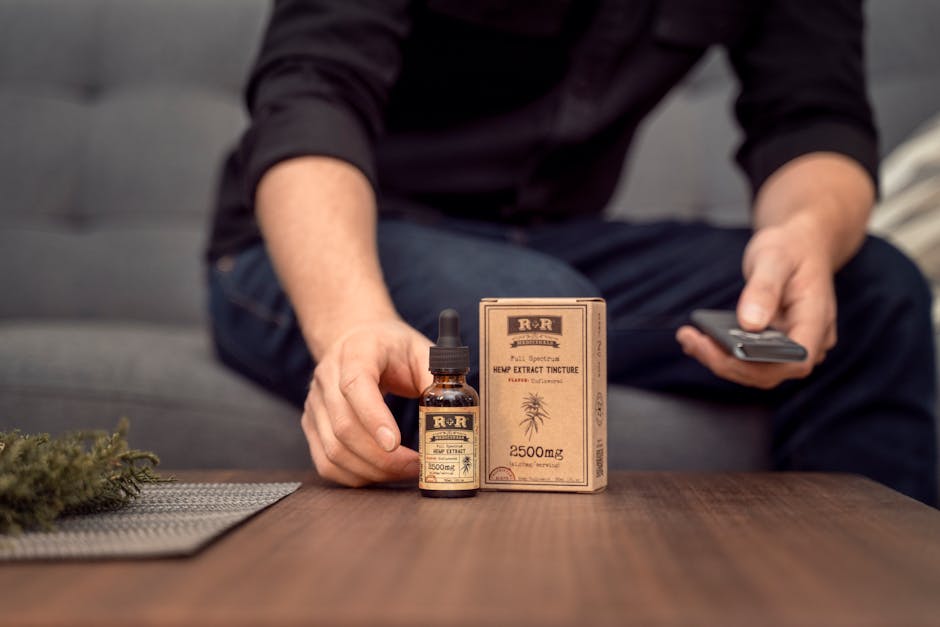
Instead, use low-dose melatonin—0.5mg to 1mg—at the *appropriate* local time, not when you take off. Combine this with your CBD tincture to help ease the transition of your nervous system into a sleep state, rather than forcing your brain into a chemically induced coma.
TSA Compliance and The "Zip Pouch" Method
I keep my entire travel "survival kit" in one clear, flight-approved zip pouch. If it isn't in the pouch, it doesn't exist on the trip. Because CBD tinctures are liquids, they **must** comply with the 3.4-ounce (100ml) liquid rule.

Regarding CBD border questions: If you are traveling internationally, leave the CBD at home. Even if it is legal in the US, international law varies wildly. I have seen too many travelers delayed at customs because they tried to explain the complexities of the 2018 Farm Bill to a border agent who didn't care. It isn't worth the risk.
Final Thoughts: Keep it Simple
My advice for frequent travelers? Stop overpacking. You don’t need an entire apothecary. You need a reliable, third-party tested CBD product, a copy of your COA, and a smart approach handinhandadventures to hydration that doesn't involve chugging tap water at 30,000 feet. Test your products on a domestic "short-haul" first so you know exactly how you react before you are three thousand miles from home.
Travel is chaotic enough. Your wellness routine should be the one thing that remains predictable. Keep it simple, keep it tested, and for heaven's sake, stop buying those massive melatonin pills.