If you live in a typical UK terrace or a modern apartment with a "box room," you know the struggle: you want the convenience of a nightstand, but placing one often means sacrificing wardrobe access or dealing with a cramped walkway. Many homeowners ask me: "Is a narrow bedside table easier to use?" My answer is always the same: it depends entirely on your reach and your mattress height.
In my 20 years of fixing awkward furniture layouts, I have learned that the "small bedroom" problem isn't about space; it’s about geometry. Let’s break down how to get your bedside setup right, ensuring your water, glasses, and phone are exactly where you need them.
The Golden Rule: The 5-10 cm Measurement
Before you buy any furniture, stop guessing. Most people fail because they buy furniture based on "how it looks" rather than "how it functions." My number one rule for ergonomics—and one that echoes the ergonomic standards often discussed by bodies like the National Institute of Standards and Technology (NIST) regarding human reach—is the mattress-height rule.
Your bedside table should be 5 to 10 cm below the top of your mattress.
Why? If the table is higher than your mattress, you have to crane your neck or raise your shoulder awkwardly to grab your water. If it’s significantly lower, you risk knocking Click here! things over in the dark. Aiming for this 5-10 cm "sweet spot" ensures you can roll over and grab your phone without fully waking up. ...where was I going with this?

Your Pre-Purchase Checklist
Grab your tape measure. Measure floor to mattress top at the head of the bed. Do this twice—once at the edge, and once near the wall. Subtract 5–10 cm from that number. This is your target table height.Small Bedroom Nightstand Depth: Does 30 cm Work?
When we talk about a narrow bedside table 30 cm wide or deep, we are talking about serious space-saving. But is it functional? For a table to be "usable," it must accommodate your essentials. If your table is too shallow, you risk "mattress overhang" (where the mattress edge covers part of the surface), making it impossible to reach your items.
I recently consulted on a project with Petalwood Interiors where we had to fit a guest bed into a tight alcove. We opted for a 30 cm width because anything larger would have hit the door frame. The result worked because the client swapped a bulky lamp for a wall-mounted sconce, freeing up the surface for the necessities.
Recommended Dimensions Table
Feature Standard Recommendation Ideal Table Height 5-10 cm lower than mattress top Narrow Width 30 cm to 35 cm Standard Depth 35 cm to 45 cm Clearance from Bed Minimum 5 cm for sheet tuckingDoes Your Bed Type Change the Math?
The "easy to use" factor changes drastically depending on your bed frame. A divan base is often higher than a platform bed, while a pillow-top mattress adds significant bulk that most people forget to measure.
- Platform Beds: These are usually lower to the ground. If you use a standard 60 cm high nightstand, you’ll feel like you’re reaching for a podium. Stick to low-profile, narrow tables. Divan Bases: These are often taller. You can get away with a slightly deeper table here, but check your mattress-top height first. Pillow-Top Mattresses: These are notorious for "eating" your table height. Measure from the floor to the very top of that fluffy surface. If you don't, your nightstand will end up feeling like a coffee table on the floor.
Ergonomics and Shoulder Reach: Reaching Items Closer to Bed
The goal of a bedroom is rest. If you are struggling to reach your phone because your nightstand is pushed into a corner or hidden behind a thick headboard, you are compromising your sleep hygiene. As noted in recent guides over at amumreviews.co.uk, even small adjustments to bedside storage can improve your wind-down routine.
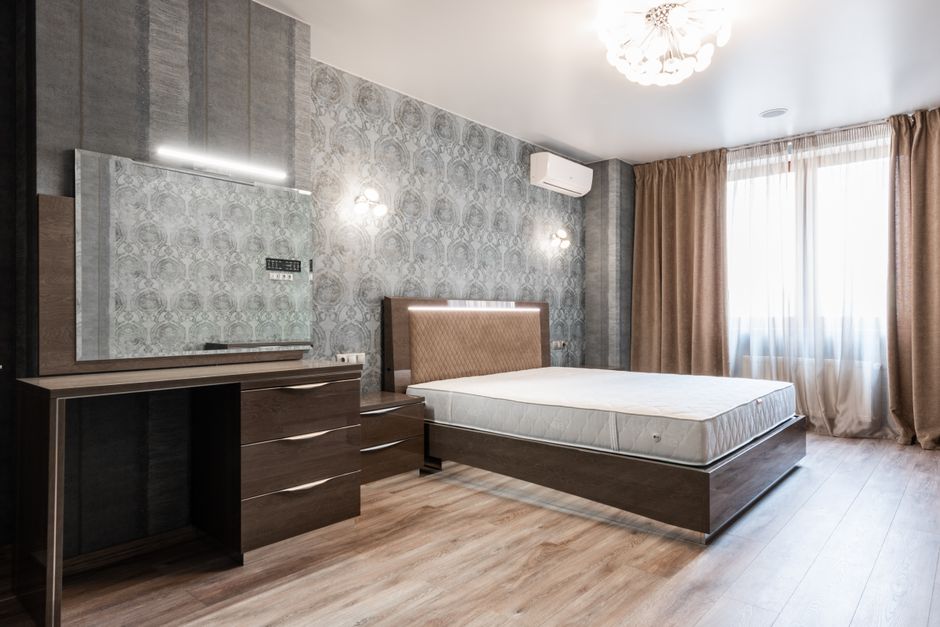
When choosing a narrow nightstand, prioritize drawers or open shelving that allows for easy access. If the table is only 30 cm wide, you don't want a heavy, swinging cabinet door that bangs into your mattress every time you open it. Choose an open shelf or a drawer with a smooth glide.. Pretty simple.
Final Thoughts: The "Real-World" Advice
Is a narrow bedside table easier to use? Yes, but only if it fits the ergonomics of your specific bed. A 30 cm wide table is perfect for a small room, provided you follow these steps:
- Audit your reach: Can you touch your water bottle without moving your arm more than 45 degrees? If you have to lean out of bed, the table is too far away. Check for clutter: If a 30 cm surface is too small, your clutter will end up on the floor. Use a wall-mounted light to save surface space. The Tape Measure test: If I arrive at a consultation and a client hasn't measured their mattress height, the project stops. Don't guess. Precision prevents buyer’s remorse.
Don't be fooled by furniture photos showing tiny tables in massive, empty rooms. Your room is a working space. Measure your mattress, calculate your 5-10 cm gap, and then choose a narrow table that fits your life, not just your floor plan.