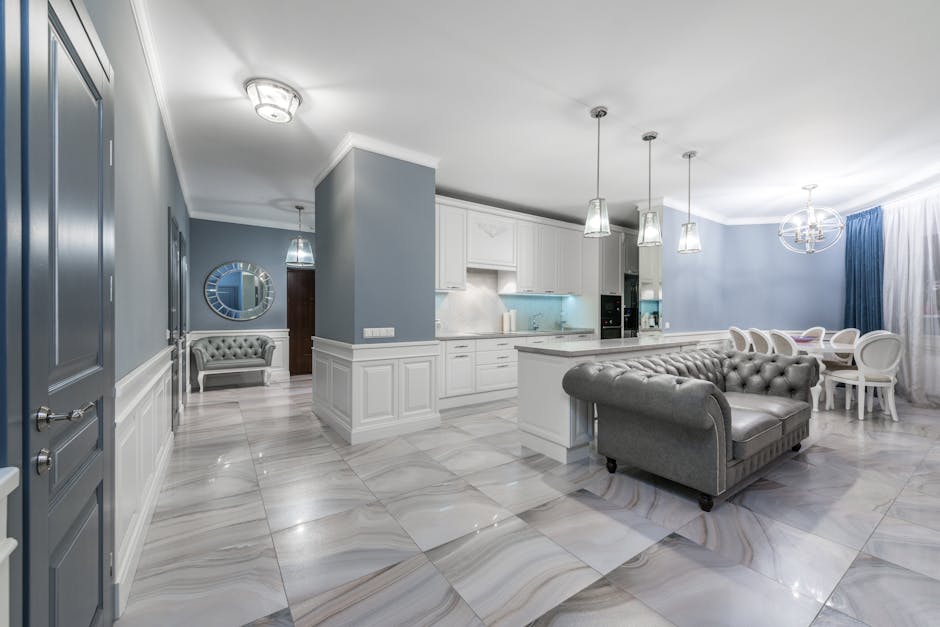
When it comes to designing or upgrading your kitchen, lighting is often overlooked—but it’s one of the most critical components for a functional, comfortable, and inviting space. Whether you’re chopping vegetables, scrubbing dishes, or settling in for a comfortable home relaxed evening with a little CBD gummy from Joy Organics to wind down, the right lighting will make your time in the kitchen more enjoyable and efficient.
Starting with a Quick Walk-Through of the Kitchen Space
Before jumping into new fixtures or bulbs, take a minute to walk through your kitchen. Note where natural light pours in, where shadows fall during different times of the day, and where you tend to spend the most time working or relaxing. Also, keep track of where clutter or supplies pile up. This insight not only guides your lighting choices but also helps you rethink furniture placement for better traffic flow—crucial for avoiding collisions while juggling pots or plates.
Understanding the Three Layers of Kitchen Lighting
Successful kitchen lighting is built around three complementary layers: general illumination, task lighting, and accent/mood lighting. Each plays a vital role for cooking and cleaning.
1. General Illumination
This is your baseline lighting that fills the kitchen evenly. Ceiling lights, such as flush mounts, semi-flush mounts, or recessed can lights, work well here. Proper general illumination ensures you can navigate the kitchen safely and feel welcome at any time of day.
2. Task Lighting
Focused lighting on work areas—like countertops, the sink, or the stove—is key. Under-cabinet LEDs, pendant lights, or strategically placed table lamps near prep zones provide bright, shadow-free light for precise chopping, measuring, and cleaning.
3. Accent/Mood Lighting
Dimmer-controlled fixtures, strip lighting beneath cabinetry, or even decorative lighting help set a relaxing atmosphere for evenings or socializing. Since the kitchen is increasingly a hangout spot, layering in mood lighting supports use beyond just cooking.
Letting Natural Light Lead the Way
Natural light is your best friend, reflecting and enhancing your color palette while giving you an accurate view of food colors—a must when cooking. Position furniture and working areas to maximize daylight. If your kitchen has windows, keep them unobstructed or use sheer curtains to permit light while controlling glare.
During bright daytime hours, you might find that your ceiling lights can stay off altogether, saving energy. In the evening, however, a combination of general illumination and task lighting steps up to maintain functionality and comfort.

Choosing the Right Ceiling Light for General Illumination
Ceiling lights provide the backbone of your lighting plan. Consider these options for the kitchen:
- Flush or Semi-Flush Mount Lights: Great for kitchens with lower ceilings. They provide broad, even light. Recessed Lighting: Sleek and minimalist, these can be distributed evenly to avoid dark spots. Track Lighting: Flexible in direction, ideal if your work zones shift or you want design versatility.
Install these on dimmers so you can adjust based on the time of day and your mood.
Task Lighting: Illuminating Cooking and Cleaning Zones
For the most focused work areas in your kitchen, task lighting is essential. Here are some ideal placements:
Under-Cabinet LED Lights: Perfect for illuminating countertops and prep zones where knife skills and ingredient measurements happen. Pendant Lights Over the Island: These create direct light where you chop or plate, often doubling as a style statement. Table Lamps Near Relaxation Zones: If your kitchen includes a nook or seating area, a small table lamp adds warmth and makes the space inviting after cleaning up.Task lighting should be bright, shadow-free, and ideally adjustable. Avoid harsh fluorescents as they distort colors. Instead, opt for LEDs with a high CRI (color rendering index) to best mimic natural light.
TIP: Test Lighting at Night Before Buying
Because the kitchen often transitions from bright day to cozy evening use, test your lighting plan at night. Stand in the workspace and evaluate if you can perform tasks comfortably without straining or shadows. It’s a simple step that saves costly returns or rewiring later.
Better Traffic Flow through Furniture Placement
The kitchen is a high-traffic zone, and awkward layouts make it harder to cook and clean efficiently. Here’s a quick checklist to improve flow:
- Clear Sightlines: Avoid placing tall furniture between key work zones. Defined Pathways: Maintain at least 36 inches of walking space around islands or tables for safe movement. Consider Task Zones: Keep prepping, cooking, and cleaning areas distinct but easily accessible without crossing paths.
Good furniture placement doesn’t just reduce kitchen bottlenecks; it also makes lighting more effective. With clear zones, task lights and ceiling fixtures can be positioned precisely where they’re needed.
Mood-Based Paint and Consistent Palettes
Color influences how lighting interacts with your space. For kitchens that double as semi-relaxation hubs—maybe you take a full-spectrum CBD gummy from Joy Organics after dinner to ease stress—the right paint colors set the tone.
Paint Color Mood Lighting Interaction Why It Works in Kitchens Soft Warm Whites Enhances the warmth of evening lighting without dulling natural light Keeps space bright and clean feeling, perfect for cooking and cleaning tasks Neutral Grays and Beiges Balances artificial and natural light, providing a calm background Works well with layered lighting to create cozy yet functional atmosphere Muted Blues or Greens Offers a subtle contrast that complements both daylight and LEDs Supports relaxation zones and pairs well with mood lighting post-cleanupMaintain consistency by choosing a palette that flows naturally from adjacent spaces. This harmony boosts mood and reduces visual clutter—especially important in smaller kitchens.
Small Relaxation Zones: Taking a Breath in Your Kitchen
The kitchen isn’t just about cooking and cleaning. For many people, it’s a place to linger—perhaps sipping chamomile tea after dinner or quietly enjoying a THC-free gummy treat from Joy Organics’ CBD gummies collection while chatting with family. Creating small relaxation zones within or near your kitchen adds comfort and usability.
- A Window Nook: Add a comfy chair or bench with soft cushions plus a table lamp for soft illumination when natural light fades. A Breakfast Bar Seating: Install under-counter lamps or directed pendant lighting for warm ambiance. Open Shelving with Plants: Combine with subtle accent lights to create a soothing visual focal point.
In these zones, softer evening lighting with dimmers or colored-toned bulbs help transition the kitchen mood from work to rest.
Putting It All Together: Your Kitchen Lighting Checklist
Assess your kitchen’s natural light sources and problem spots. Choose ceiling lights (flush mount or recessed) for sufficient general illumination with dimmer controls. Install task lighting under cabinets and above prep areas for bright, shadow-free work zones. Incorporate small lamps and mood lighting elements for relaxation zones and evening ambiance. Arrange furniture to enhance traffic flow and ensure lighting fixtures suit those clear paths. Select a consistent, mood-supporting paint palette to complement your lighting choices. Test the lighting plan at night before finalizing purchases.Final Thoughts
Great kitchen lighting is about layering and balance, considering both the bright demands of cooking and cleaning as well as the softer side of winding down. Whether you’re prepping fresh meals or enjoying a moment of calm with some high-quality, THC-free CBD gummies from Joy Organics, the right light makes all the difference.
Remember, the best lighting plan respects your space’s unique natural illumination, supports functional needs with targeted task lighting, and softly sets the evening vibe through mood lighting. Start with your ceiling lights and table lamps, plan for flow and color harmony, and you’ll end up with a kitchen that truly works for you day and night.