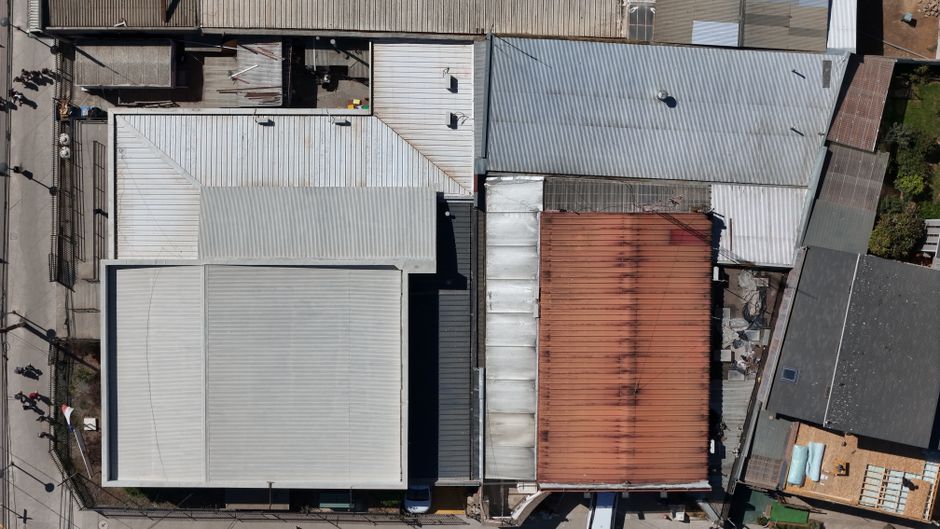
When it comes to industrial flat roofing, choosing the right system is crucial for durability, waterproofing, and cost-effectiveness. Two popular options often come up in tender discussions and building maintenance reviews: mastic asphalt roofing and single ply roofing. Both solutions offer specific advantages but differ significantly in application, lifespan, and performance under industrial conditions.
In this article, we’ll break down the differences, drawing on practical insights from commercial roofing contractors like Nationwide Industrial Roofing, Hathaway Roofing, and CA Group. We’ll also touch on manufacturer-backed systems including CA Group’s make-and-fit approach and how Kingspan composite panels intersect with modern flat roof solutions.
Industrial Roofing vs Domestic Roofing: Key Considerations
First off, it’s essential to understand that industrial roofing requirements are markedly different from domestic (residential) roofing. The scale, exposure, and loading conditions on warehouses or manufacturing sites are far more demanding.
- Size and Scale: Industrial roofs, especially flat roofs over warehouses, typically cover thousands of square meters. This means that even small installation or material shortcomings can lead to large-scale failures. Load Bearing: Industrial roofs often need to accommodate plant equipment, HVAC units, and the occasional foot traffic from maintenance staff or contractors. Environmental Exposure: Industrial sites may face harsher chemical, temperature, and weather impacts, necessitating robust waterproofing and durable materials. Building Integration: Warehouses and factories frequently use Kingspan composite panels or metal cladding alongside flat roofs, meaning roofing systems must integrate seamlessly with these materials.
Therefore, flat roof systems on industrial buildings must deliver reliability and maintenance ease over longer periods than typical domestic roofs.
Mastic Asphalt Roofing: Tried and Trusted Industrial Solution
Mastic asphalt roofing has been a stalwart of flat industrial roofing for decades. It’s a built-up system that uses layers of hot-applied asphalt combined with mineral fillers. Here’s why it’s still a top choice among commercial roofing contractors:
Advantages of Mastic Asphalt
- Longevity: Life expectancy often exceeds 30 years with proper maintenance. Durability: Highly resistant to foot traffic, chemical exposure, and mechanical impact. Waterproofing: Forms a seamless and fully bonded waterproof layer, eliminating weak spots. Compatibility: Works very well with metal roofing substrates and can be integrated with Kingspan composite panels. Manufacturer-backed Systems: Companies like CA Group offer bespoke, make-and-fit mastic asphalt solutions designed to suit complex industrial roofs.
Common Mistakes and My Running List of "Questions Contractors Dodge"
One thing I always ask is: "What happens when it rains on day two of application?" Mastic asphalt requires hot application and cooling. If unexpected weather hits mid-installation, quality and bonding suffer – potentially causing cracks later.
- Contractors sometimes dodge questions about contingency plans for bad weather during installation. Beware vague claims of “best-in-class” mastic asphalt without clear brand or warranty references.
Single Ply Roofing: The Modern Alternative
Single ply roofing is popular in many new industrial flat roofing projects. It typically involves large sheets of synthetic membrane (like EPDM, TPO, or PVC) that are mechanically fixed or adhered to the roof substrate.

Why Consider Single Ply?
- Lightweight: Compared to mastic asphalt, single ply adds minimal weight to the structure. Speed of Installation: Can be applied much faster, reducing downtime for operations. Flexibility: Suitable for roofs with complex shapes or a variety of penetrations. Energy Efficiency: Some membranes have reflective coatings that help reduce heat gain.
Challenges with Single Ply for Industrial Use
- Durability in Industrial Settings: Single ply membranes can be more susceptible to mechanical damage, especially on roofs with heavy foot traffic. Seam Integrity: Seams in single ply membranes rely on adhesives or heat welding — if poorly installed, they can become failure points. Maintenance: More frequent inspections may be necessary to catch and repair punctures or seam failures early.
Warehouse Metal Roofing and Composite Panels
Many industrial buildings use a combination of metal roofing and insulated composite panels — notably Kingspan composite panels — for their thermal efficiency and structural strength.
Flat roof waterproofing systems like mastic asphalt and single ply need to integrate with metal cladding joints and composite panel edges. This is a key factor in contract reviews with companies such as Nationwide Industrial Roofing and Hathaway Roofing.
Metal roofs and composite panels provide a solid substrate, but their expansion and contraction rates and joint movements mean waterproofing systems must be adaptable and flexible to maintain integrity.
Manufacturer-Backed Built-Up Metal Systems
Reliance on manufacturer-backed systems provides peace of mind:
- Customized Solutions: CA Group, for example, fabricates and fits mastic asphalt systems tailored to complex building profiles. Single-Source Warranty: Manufacturer-backed warranties typically cover material and workmanship issues under one umbrella. Quality Control: Using approved components and trained installers reduces the risk of installation errors.
The Pricing Mistake: Why You Shouldn't Blindly Trust Cost Figures
One of the biggest headaches in tender evaluations is when bids include no pricing figures Great site or vague cost estimates for flat roof systems. I see this repeatedly during warehouse roof refurbishments:
- No breakdown of material vs labour. Lack of clarity on length of warranty versus implied lifespan. Ignoring costs related to preparation works like substrate repairs or insulation upgrades.
While mastic asphalt roofing is often perceived as more expensive upfront, its longevity and durability can make it more economical in the long run for industrial sites. Single ply roofing may look cheaper but factor in potential repair costs and shorter service life. Always ask for detailed pricing related to all phases of the roof project – and don’t hesitate to push contractors on contingency and maintenance costs.
Summary Comparison Table
Feature Mastic Asphalt Roofing Single Ply Roofing Lifespan 30+ years 15-25 years Installation Time Longer - requires hot application & curing Shorter - quick membrane laying Weight Heavy Lightweight Waterproofing Seamless, fully bonded Seams rely on adhesives/welds Durability - Foot Traffic Excellent Moderate Integration with Metal Panels Excellent - flexible with substrate Good, but requires careful detailing Manufacturer Support Yes - e.g., CA Group’s make-and-fit systems Varies by membrane type and installerFinal Thoughts
For industrial flat roofs—particularly warehouses and factories using metal roofing and Kingspan composite panels—choosing between mastic asphalt and single ply roofing comes down to application specifics, lifecycle costs, and environmental demands.
Nationwide Industrial Roofing, Hathaway Roofing, and CA Group all emphasise that a critical first step is consulting with manufacturers and experienced contractors to select manufacturer-backed systems that suit your building’s structure and usage.
Don’t fall into the trap of vague pricing or technical waffle—always ask the tough questions (including my favourite: what happens if it rains on day two?) and request detailed pricing and maintenance built up metal roofing vs composite plans before signing contracts.
In short: mastic asphalt roofing offers longevity and robustness ideal for industrial demands, while single ply roofing may suit projects prioritising faster installs and lower weight, provided extended maintenance is part of the plan.
Choose wisely to ensure your industrial flat roof keeps the elements out and your business operations running smoothly for decades.