I’ve spent the better part of a decade living out of a backpack. I started my career working the front desk of a bustling hostel in Prague, where I learned that a "good" stay is rarely about the thread count of the linens and almost always about the ease of the transition. These days, as a travel editor, I’m Go to the website less concerned with proximity to the loudest nightclub and more concerned with proximity to a decent grocery store, the walkability index of the village, and whether or not my room has enough floor space to unfurl my foam roller after a twelve-hour transit day.

When I talk to readers about Switzerland wellness travel, the conversation almost always hits a wall at the checkout page. The prices—often starting at prices that could fund a month of backpacking in Southeast Asia—can feel offensive to the budget-conscious traveler. But after years of researching, vetting, and staying at some of the most premium spa destinations in the Alps, I’ve come to realize that we need to stop looking at these price tags as "vacation spending" and start looking at them as infrastructure investments for the human body.
The Sticker Shock: What Are You Actually Paying For?
When you see a rate of $800 a night for a wellness retreat in Valais or Graubünden, your first instinct is to assume it’s pure markup. As someone who has spent years analyzing travel logistics, let me tell you: the overhead in Switzerland is not like anywhere else in the world.
First, there is the labor. Switzerland has one of the highest standards of living in the world, which means the staff at these resorts—from the thermal water engineers to the nutritionists—are paid a living wage. When you book a high-end retreat, you aren’t just paying for a robe and slippers; you are paying for a professional-grade hospitality ecosystem that is designed to keep you functioning travel healthcare access at 100% efficiency.
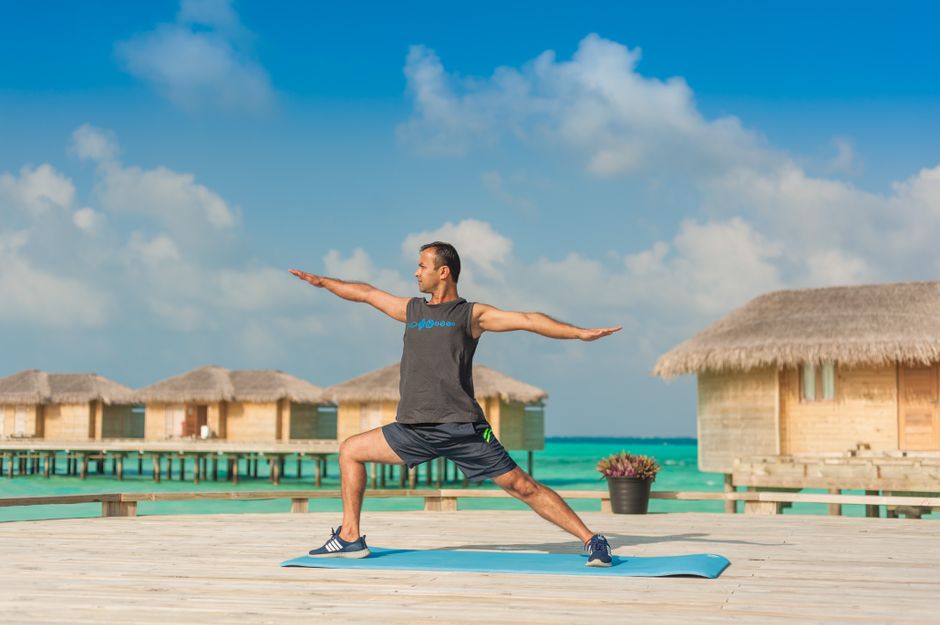
Second, there is the water. Access to high-altitude, mineral-rich thermal springs is a finite, heavily regulated resource. The infrastructure required to pump, heat, and filter this water while maintaining mountain-side sustainability standards is astronomical. You aren't just buying "spa time"; you’re buying access to one of the most effective recovery tools on the planet.
The Wellness-First Approach to Planning
I have a visceral, burning hatred for retreats that promise "transformation" but hide their daily schedule until the moment you arrive. If I am paying a premium, I want to know exactly what the rhythm of my day looks like. Is there a yoga class at 6:00 AM, or is the morning left open for decompression? Rest should never be treated as "wasted time"—it is the objective.
When I plan a trip, I prioritize three factors that many high-end resorts—and many travelers—forget:
- Jet Lag Mitigation: If I’m flying into Zurich, my first 48 hours are strictly about circadian rhythm management. I look for resorts that offer deep-tissue recovery and nutritional support to help the body adjust. Walkability: A "luxury" resort that requires a car to get anywhere feels like a golden cage to me. I look for mountain villages where I can walk from the train station to the hotel, and from the hotel to the local grocery store for a quick snack or a book. The "Unscheduled Day": I maintain a strict rule: for every three days of scheduled "wellness" activities, I keep one day completely blank. No appointments, no guided hikes, no group sound baths. This is my time to use my foam roller, catch up on reading, and listen to what my body actually needs.
Wellness Tourism: Beyond the Vague Claims
The wellness industry has exploded with luxury retreat pricing that often exceeds the value provided. Many places rely on "wellness washing"—using buzzwords like "holistic," "rejuvenating," and "aligned" to distract you from the fact that their actual services are mediocre.
In Switzerland, the best resorts move away from fluff and toward clinical efficacy. We are talking about state-of-the-art thermal centers, medically supervised fasting protocols, and physiotherapy-led movement sessions. If a retreat can’t explain the science behind their yoga flow or the mineral composition of their thermal baths, I don’t book it. True wellness tourism should be evidence-based, not just Instagram-curated.
The Slow Travel Advantage
The biggest mistake travelers make in Switzerland is the "grand tour" mentality—trying to hit three regions in five days. This is the antithesis of wellness. When you factor in the stress of train transfers, packing, and re-checking into hotels, you lose the benefits of your first spa session before you’ve even reached your next destination.
By leaning into slow travel, you aren’t just saving money on transit—you are allowing your nervous system to actually settle. Spending five or seven days in a single thermal destination allows you to move past the initial "vacation phase" and into a state of genuine physical restoration. You begin to recognize the staff, you find your favorite trail, and your sleep quality naturally improves because you aren't constantly adjusting to new environments.
Comparison: The "Tourist Trap" vs. The Real Wellness Experience
Feature The "Wellness Trap" Resort The True Wellness Destination Schedule Hidden, overly rigid, and exhausting. Transparent, flexible, and optional. Staff Seasonal, high turnover, low training. Specialists, therapists, and long-term experts. Location Isolated, car-dependent. Walkable, near natural thermal sources. Nutrition "Health" buzzwords, small portions. Locally sourced, nutritionally dense, substantial.Practical Logistics: Why I Pack a Foam Roller
I know it sounds eccentric to bring a foam roller on an international flight, but it is the single most important piece of gear I own. When I travel through Switzerland, I’m often hiking or navigating steep cobblestone village paths. My muscles get tight, and my posture suffers from lugging a backpack.
Most luxury hotels in Switzerland are happy to provide a yoga mat, but they rarely have high-quality rollers. Having my own allows me to do a 15-minute maintenance session before I head to the thermal baths. This is part of my "wellness autonomy"—the ability to take care of my own body regardless of what the resort provides. Before I book, I always check the room dimensions on the hotel's website. If there isn't enough space to roll out my back, I don't book the room. It’s that simple.
Final Thoughts: Finding Value in the Splurge
Switzerland is expensive, and luxury spa resorts will always carry a premium. But if you shift your perspective, you can find value that transcends a comfortable bed. Look for resorts that emphasize slow travel and provide real, measurable wellness benefits. Avoid the places that hide their schedules, and always—always—check if you can walk from the hotel to the grocery store.
When you approach your trip with the mindset of an editor—prioritizing sleep, movement, and intentional downtime—that four-figure price tag starts to look less like a luxury indulgence and more like a necessary reset button for a busy life. My advice? Book the longer stay, keep at least one day completely empty, and don't be afraid to bring your own foam roller. Your body will thank you.