Anyone who’s managed property maintenance in South Florida knows the relentless impact this subtropical climate has on exterior surfaces. From the sizzling sun to the punishing hurricane season, building materials face unique wear and tear challenges. That’s why understanding surface-specific cleaning knowledge isn’t just jargon—it’s critical for preserving curb appeal, preventing costly damage, and extending the life of your property’s exterior.
Whether you’re a homeowner exploring roof soft washing, a retailer scheduling commercial exterior cleaning, or a property manager considering driveway restoration, recognizing how to clean and maintain different surfaces properly is vital. In this post, we’ll break down what "surface-specific cleaning knowledge" actually looks like in practice, including key differences like soft wash vs pressure by surface, roof vs pavers cleaning methods, and how to avoid damage pressure washing.

Photo credit: Aiper Pool Cleaner on Unsplash
South Florida Climate Damage: Why It’s Different Here
South Florida's hot, humid, and storm-prone environment creates specific challenges:
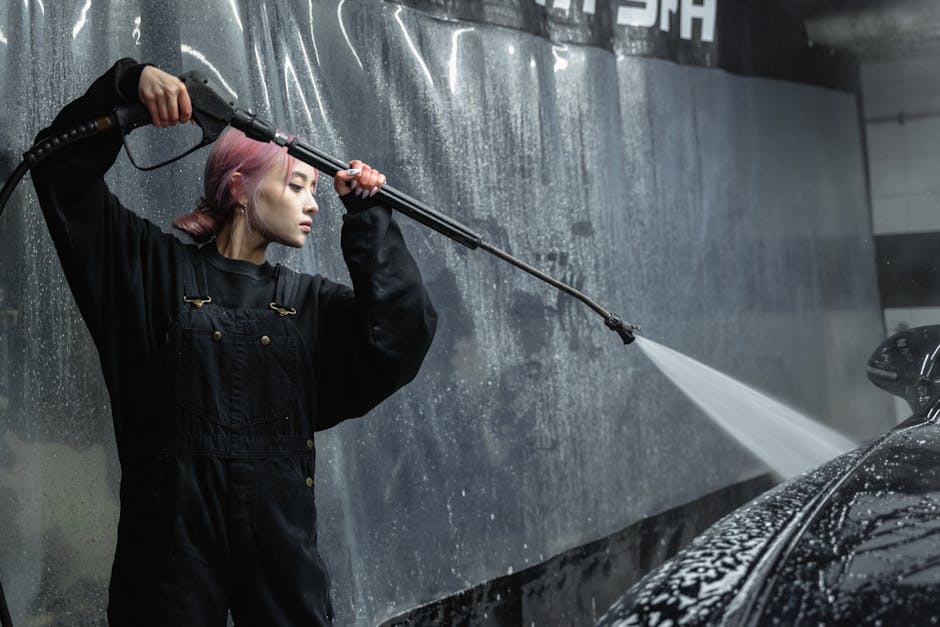
- Humidity and mold growth: High moisture encourages mold, mildew, and algae buildup on roofs, walls, and pavements. Salt air corrosion: Proximity to the ocean means salt can accelerate wear on metal fixtures and concrete surfaces. UV damage: Intense sun exposure fades paint and stresses roofing materials. Heavy rainfall and storms: Can cause dirt and debris buildup and damage porous surfaces if not cleaned properly.
These conditions mean that a one-size-fits-all cleaning approach risks significant surface damage and warranty voids. For example, many roofing shingles post-storm exterior house cleaning aren’t compatible with high-pressure washing, which can loosen granules or cause leaks.
Soft Washing vs High-Pressure Washing: What South Florida Property Owners Need to Know
One of the biggest distinctions in exterior cleaning is between soft washing and high-pressure washing. But which is appropriate depends entirely on the surface type and environmental factors.
What Is Soft Washing?
Soft washing uses low-pressure water combined with specialized cleaning solutions designed to eliminate organic stains like algae, mold, mildew, and Click for source mildew. This method is especially recommended for fragile surfaces where high pressure could cause harm.
- Roof Soft Washing: The preferred way to clean tile, asphalt, shingle, or metal roofs without risking granule loss or water infiltration. Driveways & Pavers: Soft washing can remove mold and organic stains without eroding the surface or stripping sealants.
What Is High-Pressure Washing?
High-pressure washing relies mainly on force to remove dirt and stains. It can be effective but risky for certain materials:
- Driveways with cracked or porous concrete can get further damaged by pressure. Roof shingles or tiles may lose protective coatings or suffer structural damage. Painted surfaces can peel or blister under excessive pressure.
In South Florida, where mold growth is rampant, pressure washing may appear effective short-term but can drive fungi deeper into porous surfaces if not combined with chemical treatment.
Why Soft Wash vs Pressure by Surface Matters
Surface Recommended Cleaning Method Risks of Improper Method Asphalt Shingles Roof Soft washing with EPA approved fungicides & algaecides Granule loss, water intrusion, shingle damage with pressure washing Concrete Driveways High-pressure washing with sealant reapplication or soft washing for organic stains Surface erosion, joint damage, or coating stripping Brick or Concrete Pavers Low to medium pressure washing and chemical treatment Joint sand displacement, surface damage Metal Roof Soft washing—avoid abrasive detergents Paint damage, rust spots Commercial Painted Exteriors Soft washing or low-pressure washing tailored by paint type Paint peeling, blistering, premature failureRoof vs Pavers Cleaning Methods: Why One Size Doesn’t Fit All
I always ask contractors two questions before agreeing on a roof cleaning job:
What mix or chemical solution are you using for soft wash? Have you considered the specific material? (Asphalt, tile, slate, metal?)The right chemical mixture is crucial—EPA-approved mold resources emphasize selecting eco-friendly yet effective anti-microbial treatments. This prevents future re-growth while protecting local flora and fauna. For roof cleaning, detergents must kill algae and mold without stripping protective layers or causing water infiltration.
By contrast, pavers or driveways require different considerations. They endure foot and vehicle traffic, so cleaning solutions must remove stains without eroding joint sand or weakening the surface. A different pH balance and pressure level is necessary here.
Residential Curb Appeal and Preventative Maintenance
From my years coordinating storefront and plaza maintenance, I learned that a clean exterior not only impresses customers but significantly extends asset life. Homeowners benefit in the same way, particularly in South Florida with rapid mold growth visible within weeks if neglected.
Soft washing your roof and driveway regularly can:
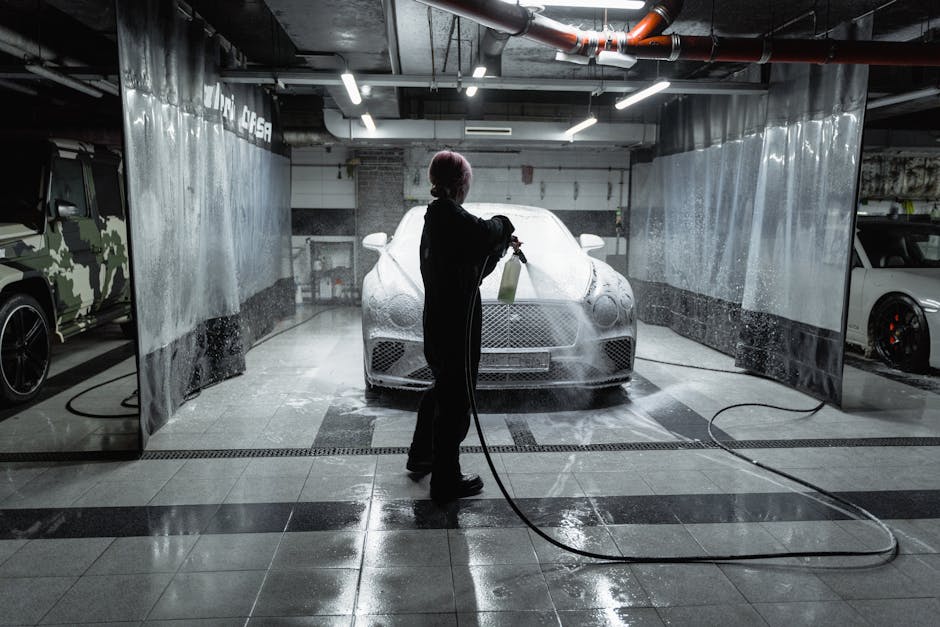
- Prevent costly repairs and premature replacement of roofing and paving materials Maintain vibrant curb appeal to increase resale value Reduce slippery moldy sidewalks or patios—a safety hazard
Ignoring surface-specific approaches may result in contractors promising to “just pressure wash everything the same,” which in my experience leads to property damage and unhappy customers. I keep a running list of HOA inspection issues caused by inappropriate cleaning, such as paint bubbling or mildewed roofs.
Commercial Exterior Cleaning and Recurring Schedules
For commercial property managers, scheduling exterior cleaning is a logistical challenge. You want to protect surfaces without inconveniencing tenants or customers. Messy vendor coordination that disrupts foot traffic or parking is a no-go.
That’s why firms specializing in South Florida properties develop recurring cleaning plans, with surface-specific techniques tailored for varying materials and tenant needs. Commercial exterior cleaning involves:
- Regular soft washing for roofs to keep algae at bay and avoid replacement costs Pressure washing parking lots and walkways, timed to minimize business disruption Seasonal exterior facade cleaning before inspections or customer-heavy periods Documentation and communication to avoid “we treat everything the same” vague promises
Choosing cleaning vendors knowledgeable about soft wash vs pressure by surface and South Florida’s unique challenges should be non-negotiable for commercial property owners. This ensures assets look great, inspections pass smoothly, and surfaces last longer.
How To Avoid Damage Pressure Washing
Pressure washing in South Florida is a double-edged sword. Used incorrectly, it can accelerate surface degradation rather than clean effectively. Here are my top tips to avoid damage:
Identify the surface material perfectly before cleaning. Don’t assume all concrete or all roofs are the same. Always inquire about the cleaning solution mix and whether it’s EPA approved. Insist on soft washing for roofs and painted surfaces. Schedule cleaning during off-peak hours to reduce tenant impact. Request a spot test patch before full-area cleaning. This can reveal potential adverse reactions. Choose vendors who explain their process transparently and avoid vague, catch-all promises.Final Thoughts
Surface-specific cleaning knowledge is not a luxury but a necessity in South Florida’s challenging climate. Whether tackling algae-laden roofs, stained driveways, or commercial exteriors, understanding the soft wash vs pressure balance, chemical selections, and scheduling impact leads to better maintenance outcomes.
Don’t let inattentive cleaning contractors jeopardize your property with generic pressure washing solutions. Armed with knowledge and the right professionals, you can maintain your home or commercial property’s appearance and structural integrity year-round.
For further reading on mold and safe cleaning chemicals, check out the Environmental Protection Agency (EPA) Mold Resources.