In the world of interior design, trends come and go, but some elements have staying power — architrave being one of them. If you’ve been scrolling through Instagram or Facebook home renovation groups lately, you might have noticed a resurgence in architectural details that were once considered old-fashioned or overly fussy. Leading regional publication Northern Life Magazine has even dedicated columns to exploring these renewed interests in traditional joinery and trim.
Before you dismiss architrave as unnecessary “finishing,” or conversely, dive headfirst into ordering from the likes of Skirting King without fully understanding its purpose, this post will clarify what is architrave, the door architrave purpose, and the window architrave meaning. We’ll also look at how architrave fits into today’s design conversations—especially as we shift away from stark minimalist interiors—and how it works harmoniously with other trim elements like skirting and panelling.
What Is Architrave?
At its core, architrave is a form of decorative moulding or trim fixed around the perimeter of doorways and windows. Traditionally, it’s a timber frame that “wraps” or “frames” the opening, covering the joint between the wall and the door or window frame. This trim conceals any uneven edges of plaster or drywall and gives a polished, finished appearance to the room.
In heritage homes, architrave can be quite elaborate with classical profiling and layered mouldings, whereas in modern interiors, it might be more streamlined and subtle. But no matter the style, the essential function remains the same: framing and completing the join.
Historical Context
The term “architrave” has its roots in classical architecture, originally referring to the lowest part of an entablature that rests directly on the tops of columns. In domestic interiors, architects and joiners adapted the term to describe the wooden frames around doorways and windows from the Georgian period onward. This framing was not only structural but also decorative, emphasising the doorway as a distinct architectural element or “portal” within the room.
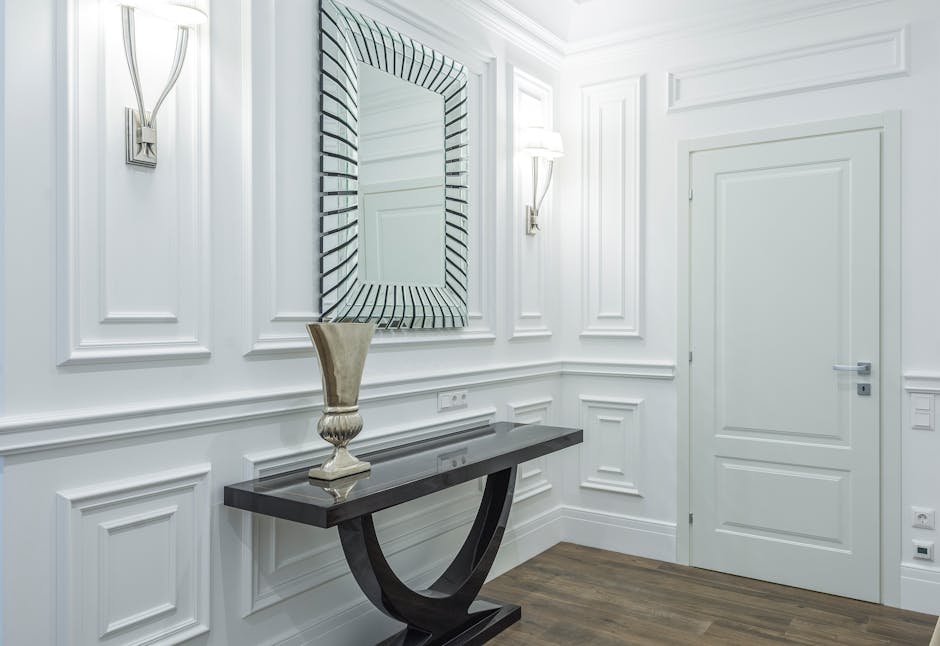
Door Architrave Purpose: More Than Just Decoration
So, what is the purpose of door architrave beyond aesthetics? Here are the key roles it serves:
- Concealing Construction Joints: During construction or renovation, plaster or drywall edges around the door frame are often rough or uneven. Architrave hides these imperfections, creating a neat, clean edge. Protecting Edges: Doorways are high-traffic zones where walls can get chipped or scratched. Architrave adds a protective buffer to these vulnerable edges. Framing & Highlighting: Architecturally, it frames the doorway, signalling a transition point from one space to another, adding visual interest and structure to what might be a flat wall plane. Continuity and Cohesion: When coordinated with skirting boards and other trim, architrave contributes to a harmonious sense of room detailing, anchoring the wall treatments.
Common Profiles and Materials
The market offers a spectrum of profiles, from plain square edges to ornate classical designs. Pine remains a favourite timber for its balance of affordability and paintability, but MDF mouldings from suppliers like Skirting King are popular for their smooth finish and resistance to warping.
Colour, finish, and size are equally important. Thick, bold architrave suits larger, more traditional rooms, while slimmer, painted profiles can complement contemporary spaces without overpowering.
Window Architrave Meaning: Why Frame Your Windows?
We often associate architrave with doorways, but windows are equally deserving of a framing treatment. Window architrave frames the window similarly to doors, masking gaps where window frames meet the wall internally.
Beyond the practical, window architrave adds a decorative element that balances the room’s proportions. In rooms where skirting and doors already have trim, window architrave helps create visual cohesion, completing the ensemble.
Functional Benefits
- Conceals gaps from settling or fitting tolerances around windows Frames the window to enhance natural light by lending architectural definition Protects edges and provides a mounting point for curtains or blinds
The Shift Away from Minimalism: Why Architectural Details Matter Again
For years, minimalist interiors dominated UK home trends — think wafer-thin trims painted to disappear, “finishing” considered an afterthought. However, commentators from the UK Government Planning Portal to editors at Northern Life Magazine note a cultural northernlifemagazine.co.uk shift back toward embracing architectural detailing.

On social media platforms like Instagram and Facebook, an increasing number of homeowners and renovators share their projects featuring mouldings, panelling, and traditional architrave profiles. This revival is less about clutter and more about layering personality and craftsmanship into homes. It’s a measured reaction against the blandness that overly minimalist spaces can bring, injecting warmth, texture, and tactile depth.
How Architrave Fits Into This Trend
- Framing rooms as compositions: Architrave helps “frame” interior elements, elevating spatial definition in place of bare expanses. Clarifying transitions: Doors and windows become focal points or architectural features through trim rather than simple openings. Creating harmony with other trims: Matching architrave with skirting boards, picture rails, and panelling produces a cohesive design language.
This approach demands more thoughtful detailing throughout all joinery, encouraging DIY enthusiasts and professionals alike to reconsider their trim choices.
Do You Actually Need Architrave?
The simple answer is: it depends. But considering the roles architrave plays, here are some factors to help you decide whether you need it in your project.
Consideration Architrave Advantage When You Might Skip It Wall & Frame Condition Conceals uneven plaster edges, gaps, and poor-fitting frames. If the join is flawless and you prefer a minimalist flush finish, you could avoid architrave. Design Style Complements traditional, period, and eclectic styles. Ultra-modern, minimal interiors may avoid visible trim. Room Use & Traffic Protects edges in high-use areas. Occasional-use rooms might manage without. Cohesion with Other Trim Maintains design consistency and balance. If no other trims are fitted, architrave may look isolated.Planning Considerations
If your property is listed or in a conservation area, always check with the UK Government Planning Portal for guidelines on architectural features. Sometimes specific moulding profiles or installation methods are stipulated to protect historical fabric. Even in non-listed buildings, local councils may have preferences when it comes to refurbishments affecting external reveals visible from the street.
How to Choose and Coordinate Architrave
Choosing architrave is more than picking any profile—it’s about how it speaks to the rest of your room.
Match Profiles: Architrave should harmonise with your skirting and any panelling. For example, a shadow gap skirting board pairs well with a simple square-edged architrave. Maintain Proportions: Large rooms with high ceilings invite wider architrave, while compact rooms benefit from slimmer profiles to avoid overwhelming scale. Material & Finish: Discuss finishes with your supplier or visit companies like Skirting King to see samples in person. Painted timber or primed MDF mouldings are popular for ease of maintenance and smooth appearance. Consider Shadow Gaps: If you want a modern twist, create shadow gaps between architrave and wall for subtle detailing that is clean yet tactile. (Yes, I always look at these details in photos!) Colour: Classic white is timeless, but coloured trims are gaining fans for bold and contemporary interiors.Final Thoughts: Architrave Is More Than Just “Finishing”
Architrave is often shrugged off as secondary or purely decorative, but its contribution to framing doors and windows, protecting vulnerable edges, and enhancing architectural cohesion is significant. As interior trends pivot toward welcoming texture, craft, and layered detailing, architrave deserves its place back in the conversation—not as a last-minute afterthought but as an intentional design element.
Whichever style you choose, remember to balance practicality with aesthetics and check local guidelines via the UK Government Planning Portal if your property warrants it. Browse social feeds on Instagram and Facebook for real-world inspiration—many home renovators share their trim and moulding journeys to help others.
And when it comes to sourcing, trusted suppliers like Skirting King offer a wide range of profiles and finishes ready to transform your doors and windows into architectural highlights.
So, next time you wonder what is architrave, think beyond just “finishing” — think framing, protection, and character. Your walls and doors will thank you.