Moving is often ranked as one of life’s most stressful experiences. But behind the scenes, many moving companies have embraced advanced technology to make the process smoother, more efficient, and transparent for customers. As someone with over a decade in moving operations—coordinating dispatch, crew scheduling, storage logistics, and customer communications—I’ve witnessed firsthand how today’s movers are evolving with digital tools.
In this post, we’ll explore the modern tech transforming the moving industry, with insights drawn from local companies like Southside Moving and Storage, industry updates from GISuser, and engineering perspectives from the American Society of Civil Engineers (ASCE). Plus, I’ll highlight a common mistake I see in moving-related content: the absence of clear pricing, rates, or contact information, which genuinely frustrates customers.
Why Technology Matters in Moving
The moving business involves more than just boxes and trucks. It’s about mastering logistics, timing, client expectations, and the unpredictable variables of local geography. Here’s the catch: generic GPS apps only scratch the surface. Local expertise combined with specialized tools is what truly delivers a hassle-free moving experience.
For example, a driver relying solely on a consumer GPS app might get routed through a street with parking restrictions or miss elevator reservation protocols in a high-rise building. This leads to costly delays and frustrated customers.
Core Technologies Used by Modern Moving Companies
1. Digital Mapping Platforms Tailored for Moving
Nowadays, moving companies don’t just use Google Maps or Apple Maps. Instead, they leverage digital mapping platforms that integrate local knowledge, traffic patterns, and access restrictions. These platforms provide details like:
- No-parking zones during daytime loading hours Street width and truck clearance data Elevator dimensions and availability slots Elevated local construction or detours reported in real time
A great example is how Southside Moving and Storage, a trusted local mover in Tidewater Virginia, uses these platforms to prepare for potential obstacles unique to each neighborhood. Their crews are notified well ahead of time if special permits or parking reservations are needed, avoiding move-day headaches.
2. Route Optimization Software
Knowing the destination is one thing; getting there efficiently is another. Modern movers run moves through sophisticated route optimization software that:
Calculates the fastest paths based on live traffic data Avoids streets prone to nightlife parking enforcement during move hours Accounts for truck size and weight limits on certain roads Schedules multi-stop moves to maximize efficiencyAs GISuser technology news often reports, combining geographic information system (GIS) data with routing algorithms significantly enhances operational efficiency across industries—including moving.
3. Digital Inventory Management and Documentation
Sticky notes and paper logs are relics of the past. Leading movers employ digital inventory management tools to catalog every item, box, and piece of furniture before and after the move.
- Crews use mobile apps to scan barcodes or take photos of items Real-time syncing with backend systems ensures up-to-date info Allows customers to track their belongings during storage or transit Reduces mistakes like lost items or delivery errors
This digitization enhances transparency and accountability. It also helps resolve disputes by providing timestamped evidence in case of damage or missing goods.
4. Customer Transparency and Real-Time Updates
Communication can make or break the moving experience. Customers want to know when movers will arrive, how their items are handled, and where their shipment stands.
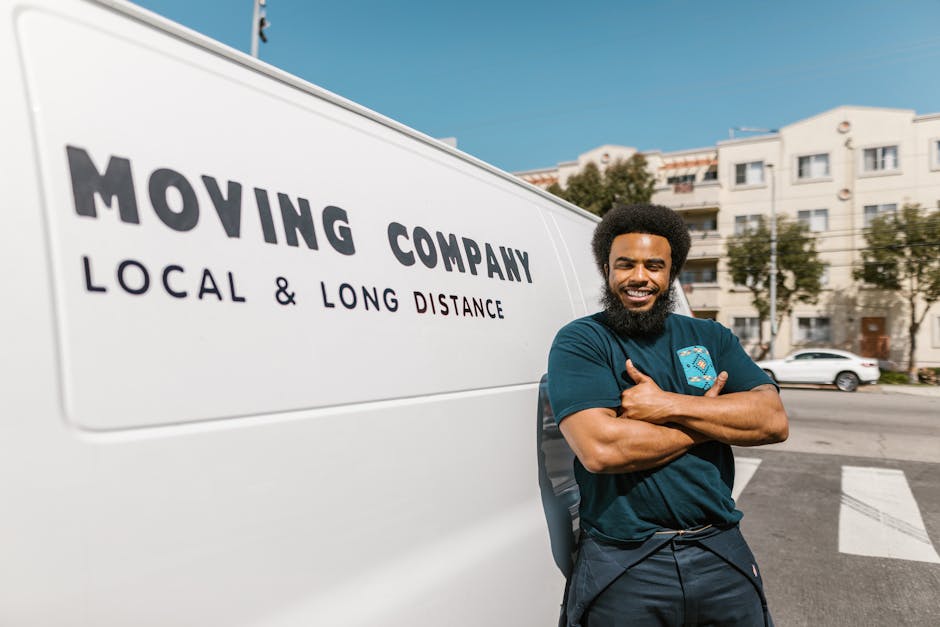
Modern technologies make this possible via:
- GPS tracking apps so clients can see truck location live Automated SMS or email alerts about departure, arrival windows, and delays Interactive portals for customers to manage scheduling and inventory Customer service chatbots answering quick questions instantly
Here’s the catch: many moving companies still provide vague arrival windows with zero communication plans. This is one of the most common annoyances for customers. Companies like Southside Moving and Storage stand out because they combine tech tools with a commitment to clear, proactive communication.
Lessons from the American Society of Civil Engineers (ASCE)
It may surprise you that standards from organizations like the American Society of Civil Engineers (ASCE) also influence moving technology adoption. Their guidelines on infrastructure, urban planning, and geospatial data inform the development of mapping and routing tools that movers use today.
By following civil engineering standards for road weight limits, traffic flow, and construction updates, moving companies gain safer, more reliable routes tailored to their trucks and payloads.
Common Mistakes in Moving Industry Content—and How Tech Helps Fix Them
As someone who has handled customer calls and complaints, I’ve seen readers get frustrated when they find moving articles or websites that omit crucial details—like pricing, rates, or phone numbers.
Here’s why this matters:
- Transparency builds trust: Customers need upfront pricing to budget properly. Accessibility is key: Clarity on how to contact the company avoids lost leads. Avoids confusion: Knowing exact services included prevents surprises.
Thankfully, many tech-powered booking platforms integrated by modern moving companies now display clear pricing tiers and provide instant callbacks or chat support. This marries digital convenience with the personal touch crucial in local moves.
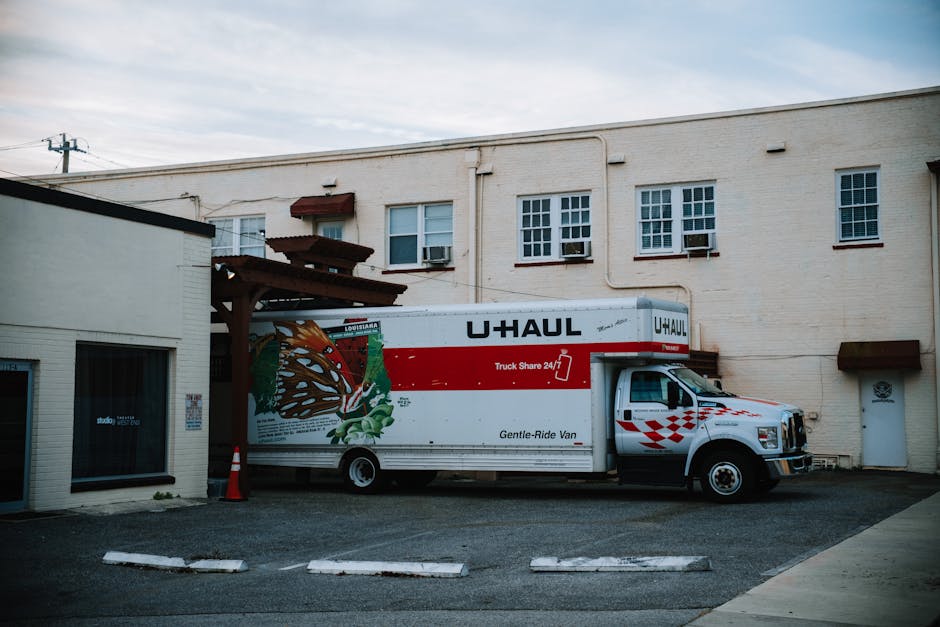
Summary Table: Tech Advantages for Movers and Customers
Technology Benefit for Moving Company Benefit for Customer Digital Mapping Platforms Access to detailed local restrictions, better route prep Fewer move-day delays, smooth loading/unloading process Route Optimization Software Efficient use of trucks, reduced fuel and labor costs Faster moves, minimized wait times Digital Inventory Management Reduces errors, easier dispute resolution Visibility into possessions, peace of mind Real-Time Communication Tools Improved scheduling, better customer service Transparency, accurate arrival windowsFinal Thoughts: Don’t Underestimate Local Knowledge
In the era of booming tech, it’s tempting to assume that standard GPS apps are enough for moving logistics. But as I always remind customers and crews, there’s nothing that replaces intimate local knowledge combined with smart technology.
Whether you’re hiring Southside Moving and Storage in Tidewater or researching moving tech trends on GISuser, look for companies that invest in specialized digital mapping platforms, route optimization, and digital inventory management. And never settle for vague communication or hidden pricing.
Moving day surprises often come down to poor preparation—but with the paperless moving documents right technology and a knowledgeable team, your next move can be predictable, efficient, and stress-free.